


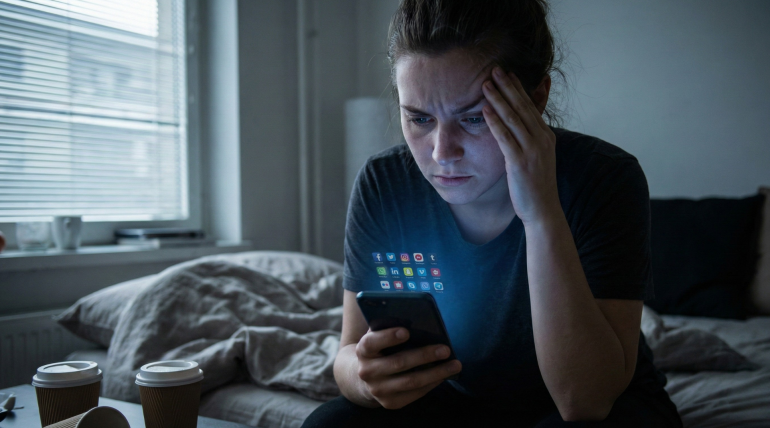
Social media has become integrated into the fabric of modern life, offering unparalleled connectivity and access to information. However, its pervasive presence also introduces significant challenges to our mental health. For many, the scroll is no longer a pleasant distraction but a source of comparison, anxiety, and even depression. Understanding the pros and cons is essential for maintaining a healthy balance in the digital age.
The Pros: Genuine Connection and Access
When used intentionally, social media can be a positive tool for mental wellness:
Building Community: It allows people with rare conditions or those living in isolation to find and connect with supportive communities, reducing feelings of loneliness.
Accessible Information: Platforms can be powerful tools for mental health advocacy and psychoeducation, helping to normalize discussions around topics like anxiety, depression, and therapy.
Maintaining Ties: It makes it easy to stay in touch with distant friends and family, fostering a network of support.
The Cons: The Hidden Costs of Constant Comparison
The negative impacts often stem from the way the platforms are designed to hold our attention:
Comparison Culture: The curated, often idealized content leads to upward social comparison, fueling feelings of low self-worth, inadequacy, and envy. This can be a major trigger for depression.
Sleep Disruption: Blue light exposure and the stimulating content consumed before bed interfere with the body’s natural sleep cycle (a critical component of mental health).
Increased Anxiety and FOMO: The constant stream of updates creates a Fear Of Missing Out (FOMO), leading to compulsive checking and heightened levels of general anxiety.
Cyberbullying and Harassment: For vulnerable groups, especially adolescents, online toxicity can cause severe psychological distress and trauma.
Finding the Right Balance: Practical Steps
If you notice that your social media use is negatively impacting your mood or anxiety levels, consider these limits:
Set Time Limits: Utilize built-in app limits or external tools to restrict total daily screen time.
The “Purposeful” Scroll: Before opening an app, define a clear purpose (e.g., “I will check three friends’ updates”), and close the app immediately after.
Unfollow for Wellness: Curate your feed aggressively. Unfollow any account that consistently makes you feel worse about yourself, regardless of who it is.
Establish Tech-Free Zones: Designate the dinner table and the bedroom as screen-free spaces to protect focus and sleep.
Conclusion: Digital Well-being is Mental Well-being
Social media is here to stay, but its impact is within your control. Treating digital boundaries as a non-negotiable part of your mental hygiene is key to mitigating its negative effects. If you find the pressure of the digital world contributing to symptoms of anxiety or depression, a consultation with a mental health professional can provide strategies to manage these stressors and restore balance.